
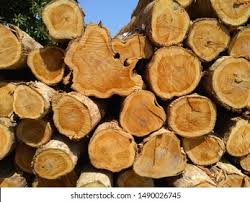
Description
Processed wood refers to timber that has undergone treatment, machining, or refinement after being harvested from raw logs. The aim of processing is to enhance the wood’s durability, strength, appearance, and suitability for various industrial and construction applications. Processing can involve cutting, seasoning (drying), planing, chemical treatment, and finishing to meet specific standards for furniture, flooring, building materials, and export.
Processed wood products are generally categorized into:
- Sawn timber (planed or rough-cut)
- Plywood and veneer
- Laminated wood
- Wood pellets and briquettes
- Charcoal (from kiln-processed wood)
- Wood chips and particle boards
Key Characteristics of Processed Wood
- Enhanced Durability: Treated against decay, insects, and weathering.
- Dimensional Stability: Seasoned to reduce moisture content and prevent warping or cracking.
- Uniform Appearance: Smooth surface, consistent color, and graded finish.
- Workability: Easy to cut, polish, and join for industrial and furniture use.
- Sustainability: When sourced from managed forests, processed wood supports sustainable forestry practices
Common Types of African Wood Used for Processing
Africa is home to some of the world’s finest hardwoods, known for their strength, color, and resistance to termites and decay.
Applications of Processed African Wood
- Construction materials: beams, planks, flooring, roofing, decking.
- Furniture manufacturing: chairs, tables, cabinets, and wardrobes.
- Joinery and carpentry: doors, windows, paneling, and interior finishes.
- Marine and outdoor structures: bridges, boats, and decking due to resistance to moisture.
- Decorative works: veneers, carvings, and musical instruments.
Reviews
There are no reviews yet.