
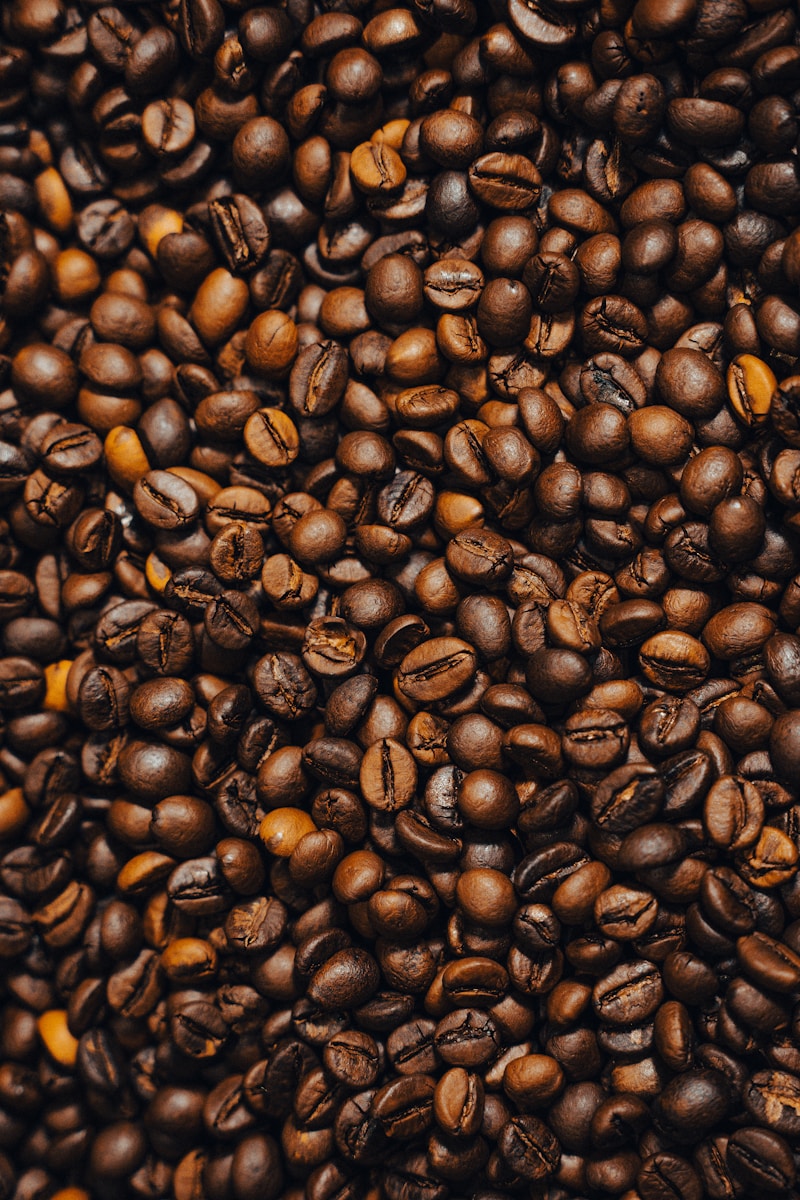
Description
*Arabica Coffee Beans (Coffea arabica) – Product Description*
*
*Overview:*
Arabica coffee beans are globally recognized for their superior quality, refined flavour profile, and aromatic complexity. They are cultivated primarily at higher altitudes, where cooler temperatures and slower maturation contribute to their premium taste characteristics.
*Key Characteristics:*
Flavor Profile: Smooth, mild, and complex with sweet notes such as fruit, berries, caramel, honey, cocoa, or floral tones.
Aroma: Strong, fragrant, and highly aromatic.
Acidity: Higher acidity, often described as bright, crisp, or wine-like.
Caffeine Content: Lower caffeine concentration (approximately 1–1.5%).
Bean Shape: Elongated, oval-shaped beans with a curved center crease.
Growing Conditions: Typically cultivated at altitudes between 1,000–2,000 meters above sea level. Requires cooler climates and rich, well-drained soil.
Market Position: Considered premium-grade coffee; commands higher market prices.
*Common Uses:*
Specialty coffee roasting
High-end cafés and export markets
Blends requiring a premium flavor profile
*Robusta Coffee Beans (Coffea canephora) – Product Description*
*Overview:*
Robusta coffee beans are valued for their strong flavor, high caffeine content, and excellent crema production. They are widely cultivated in lower-altitude tropical regions and are known for their resilience, high yield, and affordability.
*Key Characteristics:*
Flavor Profile: Bold, strong, earthy, and sometimes bitter with nutty or woody undertones.
Aroma: Less aromatic than Arabica but with a robust, earthy scent.
Acidity: Low acidity.
Caffeine Content: Higher caffeine concentration (approximately 2–3%), contributing to its strong taste and disease resistance.
Bean Shape: Smaller, round, more uniform, with a straight center crease.
Growing Conditions: Grows well between 200–800 meters above sea level. Very hardy and tolerant of heat, pests, and varying soil conditions.
Market Position: More affordable; preferred for certain blends, espresso crema, and industrial coffee production.
*Common Uses:*
Espresso blends (for crema and strength)
Instant coffee manufacturing
Commercial blends requiring a stronger caffeine profit.
*Summary Table (Quick Comparison)*
Feature Arabica Robusta
Flavor Smooth, sweet, complex Strong, bold, earthy
Acidity High Low
Aroma Very aromatic Mild, earthy
Caffeine 1–1.5% 2–3%
Altitude 1,000–2,000m 200–800m
Bean Shape Oval with curved crease Round with straight crease
Price Higher Lower